
 By Abhishek Das · 26 Oct 2026
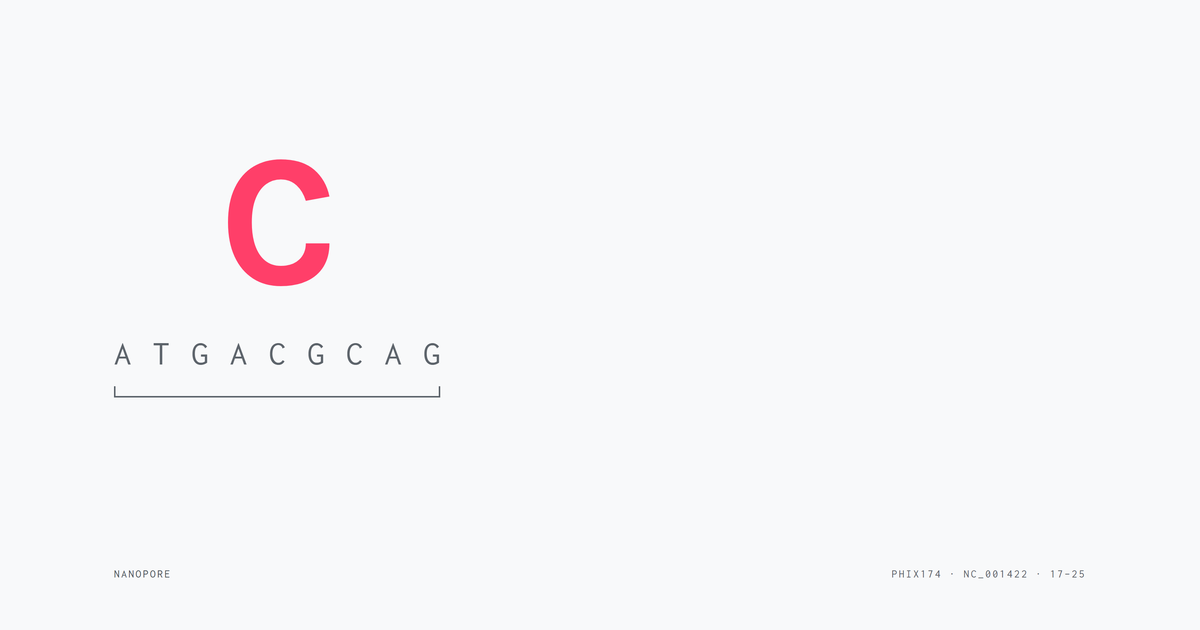
Nobody has ever read a letter
Not one sequencing platform reads a letter. Each measures something a letter causes, and works backwards from it: a photon, a shift in acidity, a current.
4 min read →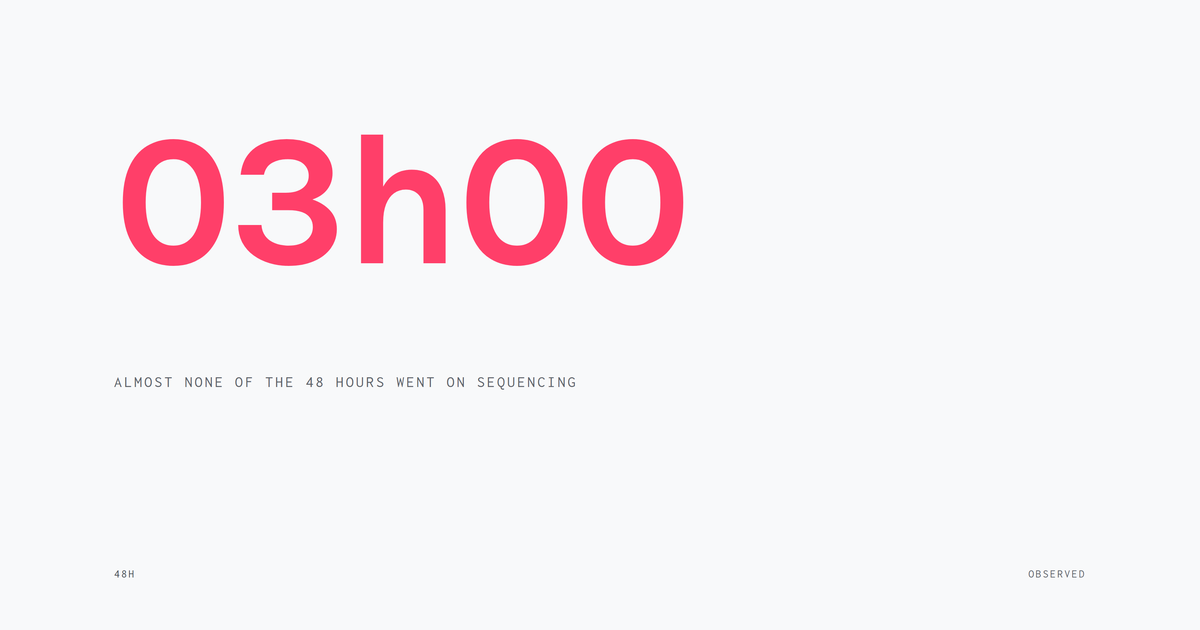 By Abhishek Das · 19 Oct 2026
Photographs of a piece of glass
There is a way of reading DNA that works by photographing a piece of glass, several hundred times. The chemistry was ingenious. The idea under it was plain.
3 min read →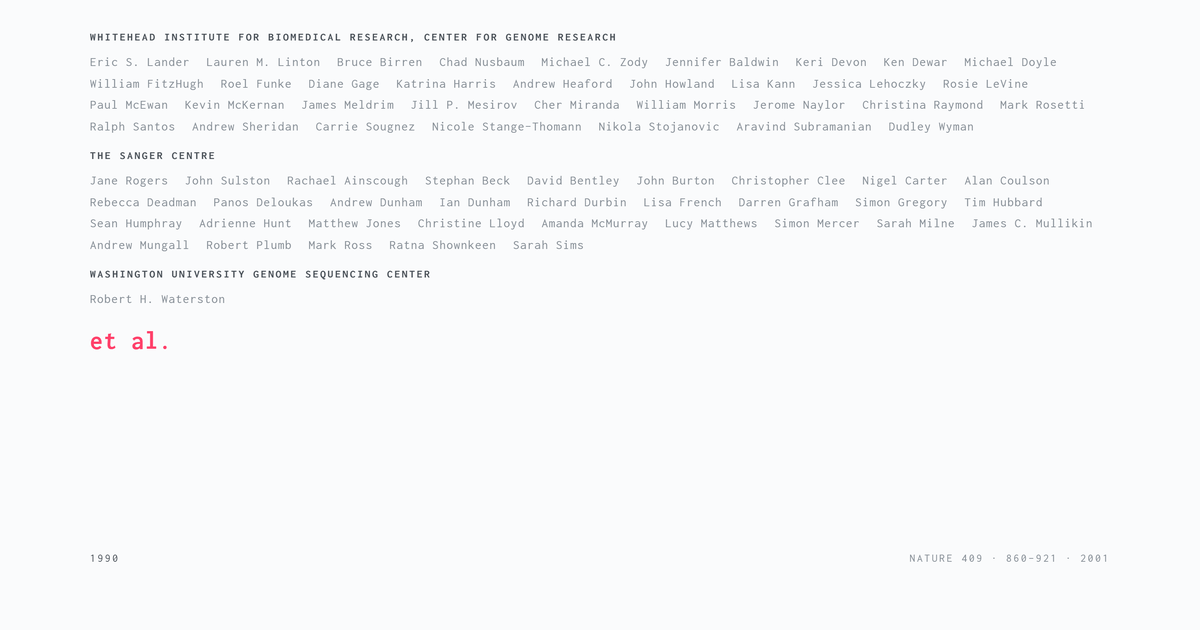 By Abhishek Das · 15 Sept 2026
What 1990 actually bought
In 1990, serious biologists argued that reading the human genome would be a waste of money. That part gets left out of the moonshot version.
4 min read →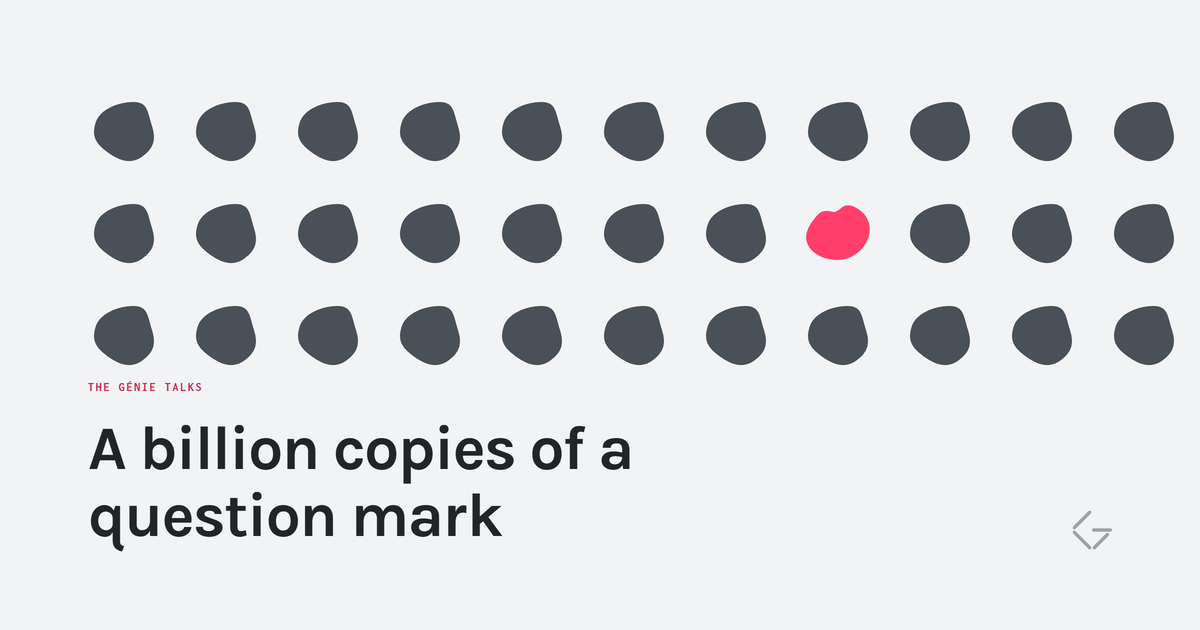 By Abhishek Das · 7 Sept 2026
A billion copies of a question mark
In 1983 a chemist named Kary Mullis pulled over on Highway 128 with an idea worth stopping for. Copying DNA is a solved problem. What the copies mean is not.
6 min read → By Abhishek Das · 20 Aug 2026
What the 1977 paper actually says
His name was Frederick Sanger. He is sometimes called the father of genomics and almost nobody outside a lab has heard of him. He went home to his garden most evenings and disliked fuss so thoroughly that he turned down a knighthood, because he did not fancy being called Sir.
6 min read →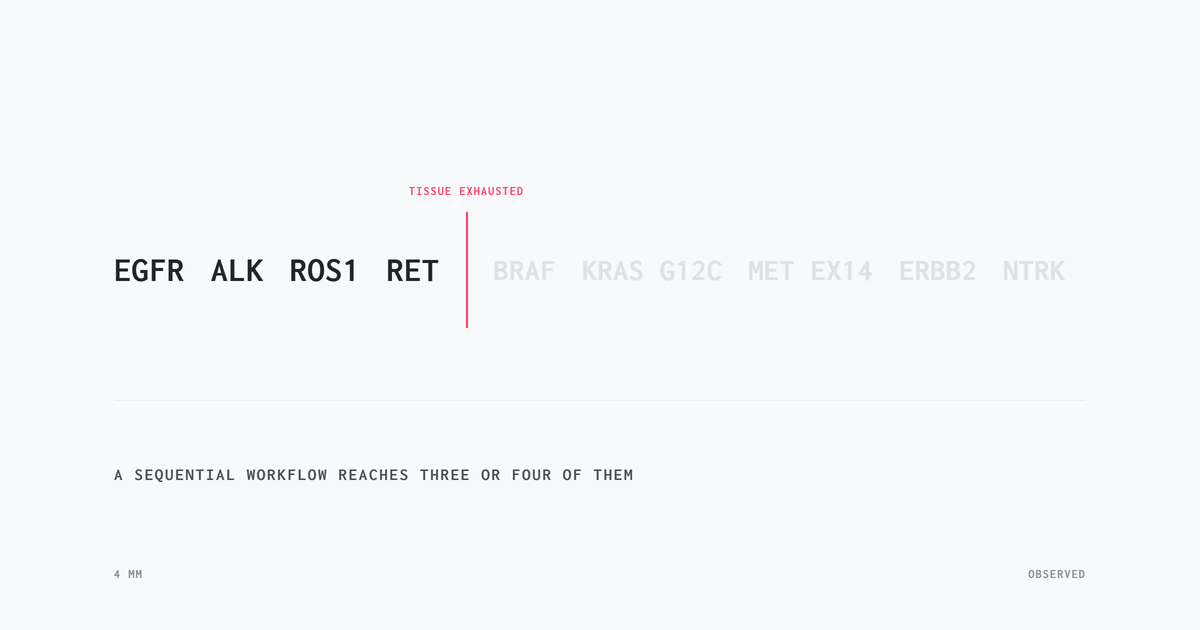 By Abhishek Das · 1 Aug 2026
Four millimetres
What lung cancer testing actually runs out of in an Indian lab. Not awareness, not approved drugs, but tissue, spent one question at a time.
7 min read →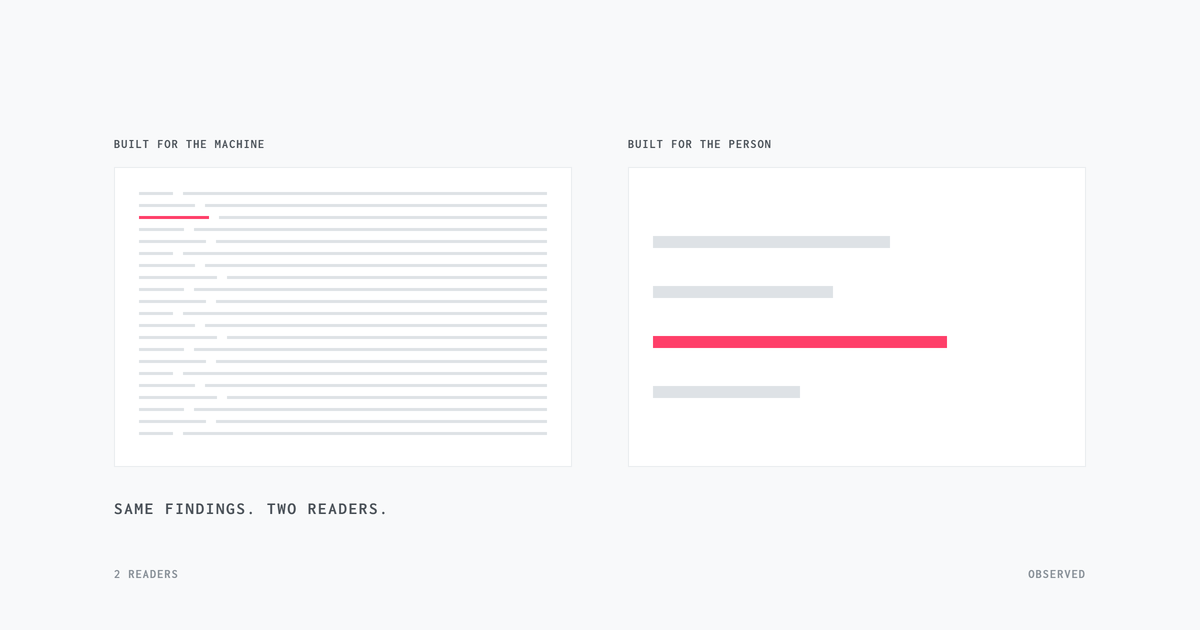 By Abhishek Das · 13 Jul 2026
The last mile of a genome
The sequencing is extraordinary and the interpretation is careful, and then it's poured into a report built for the machine that produced it, not the person reading it.
4 min read →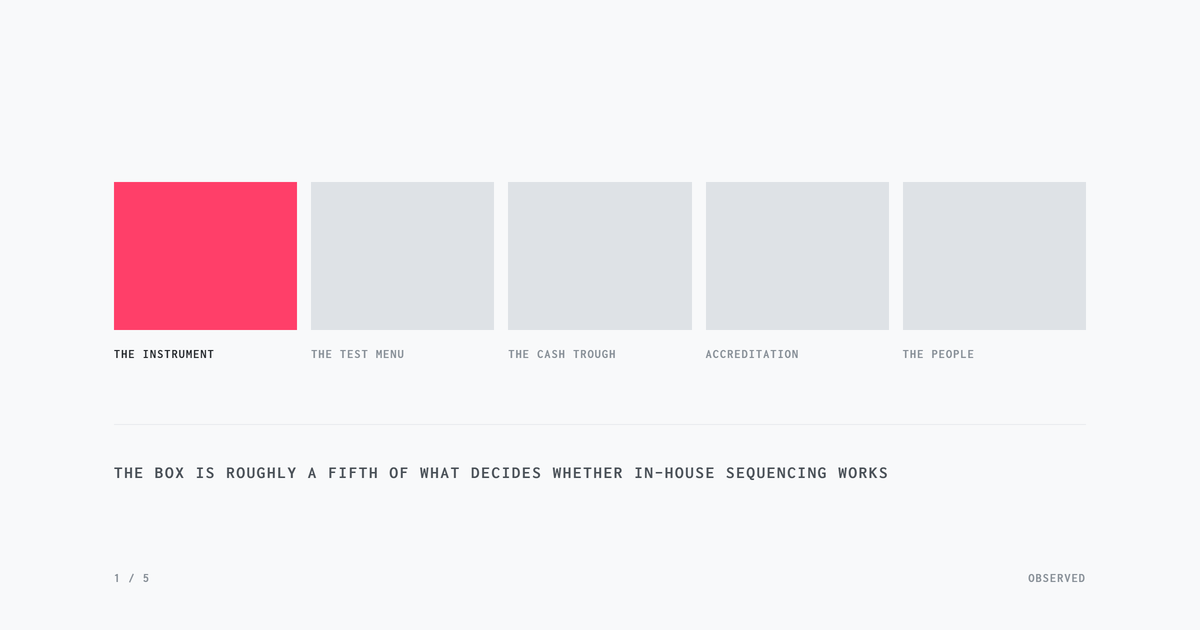 By Abhishek Das · 26 Jun 2026
The sequencer is the easy part
Why the person who sells you the box wants you to stop worrying about it. The instrument is maybe a fifth of what decides whether in-house sequencing works.
5 min read →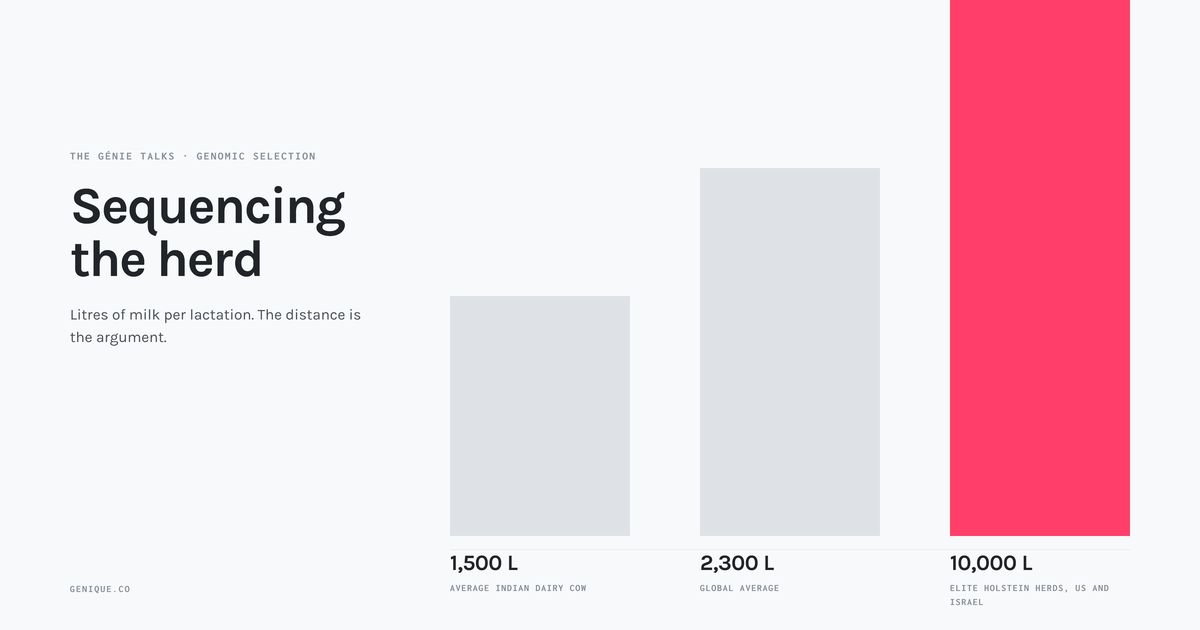 By Abhishek Das · 29 May 2026
Sequencing the herd: how next-generation genomics could reshape Indian dairy
India leads the world in milk volume and lags badly in yield per animal. Genomic selection can close that gap, but not before the reference-population, aggregation and bioinformatics work is done.
9 min read →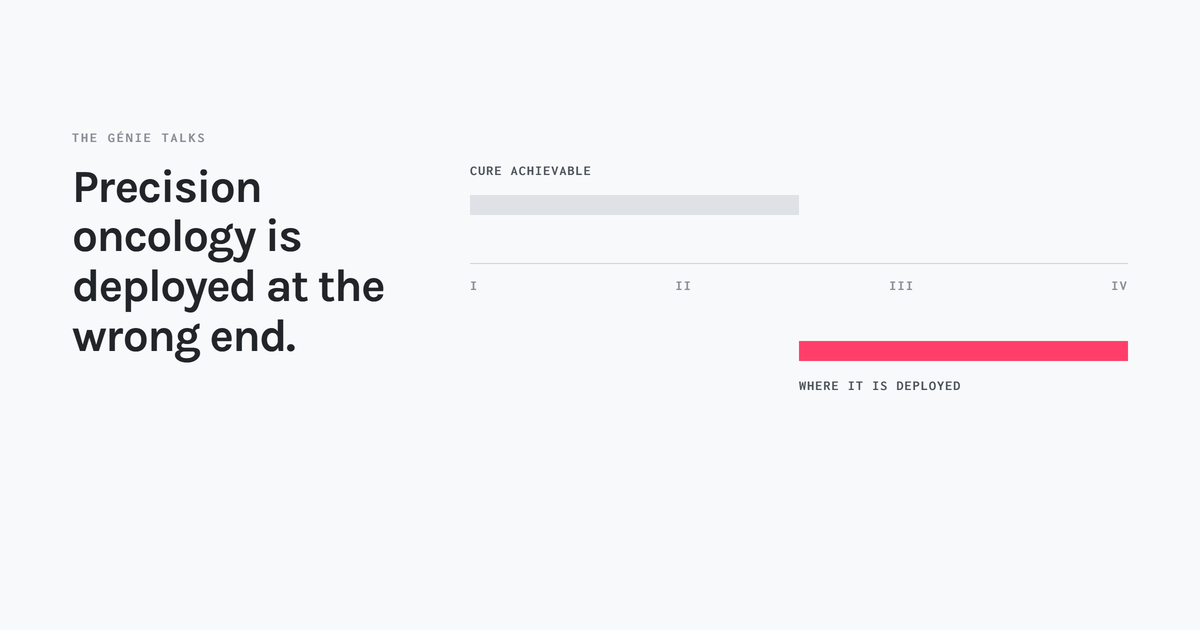 By Abhishek Das · 4 May 2026
Shifting the paradigm: moving precision oncology from late-stage lifeline to early-stage cure
Precision oncology works, mostly once disease is advanced and cure is often no longer the goal. The biological case for moving it upstream is strong; the infrastructure to carry it is not there yet.
5 min read →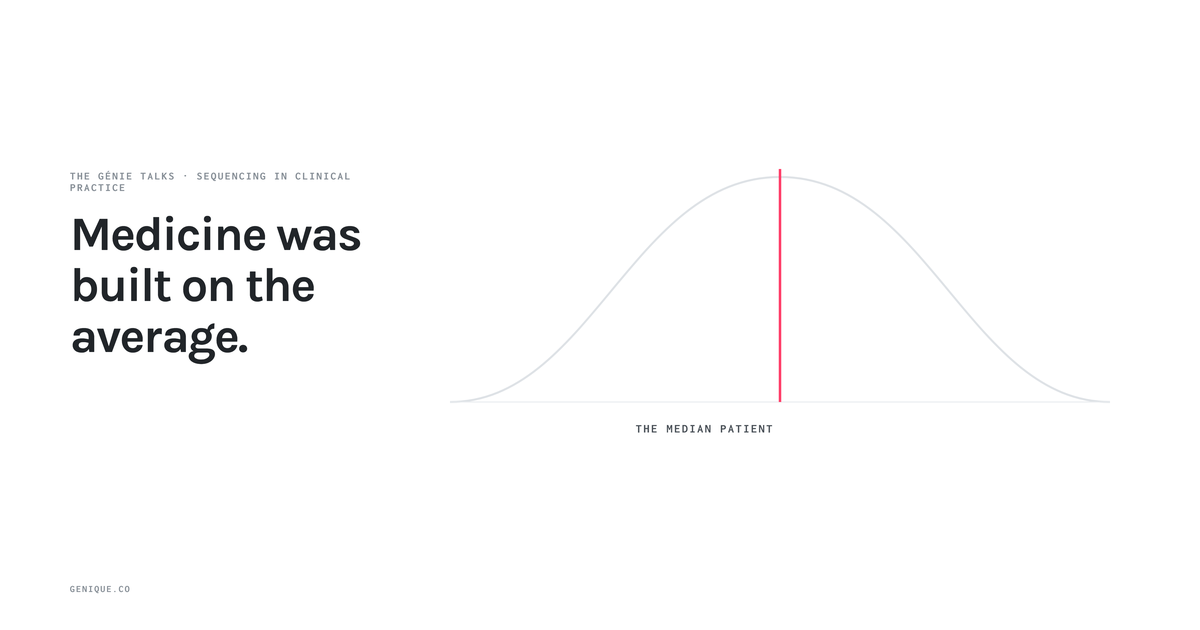 By Abhishek Das · 30 Apr 2026
The molecular map: how genomic sequencing is rewriting the rules of medicine
Sequencing has gone from expensive scientific wonder to fundamental utility, dismantling the medicine of averages across oncology, pharmacology, reproductive health and rare disease.
4 min read →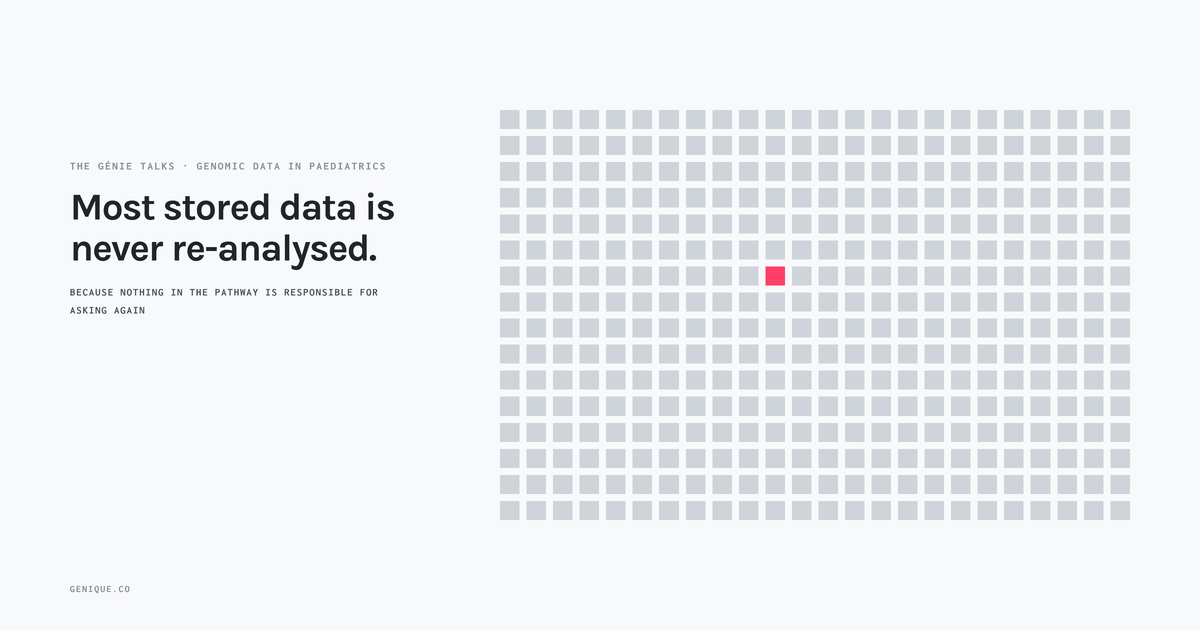 By Abhishek Das · 22 Apr 2026
The unfinished map: why whole genome is the new standard
The exome reads only the highlighted sentences. In the NICU, where hours decide a lifetime of outcomes, whole genome sequencing is fast becoming the first-line test rather than the upgrade.
4 min read →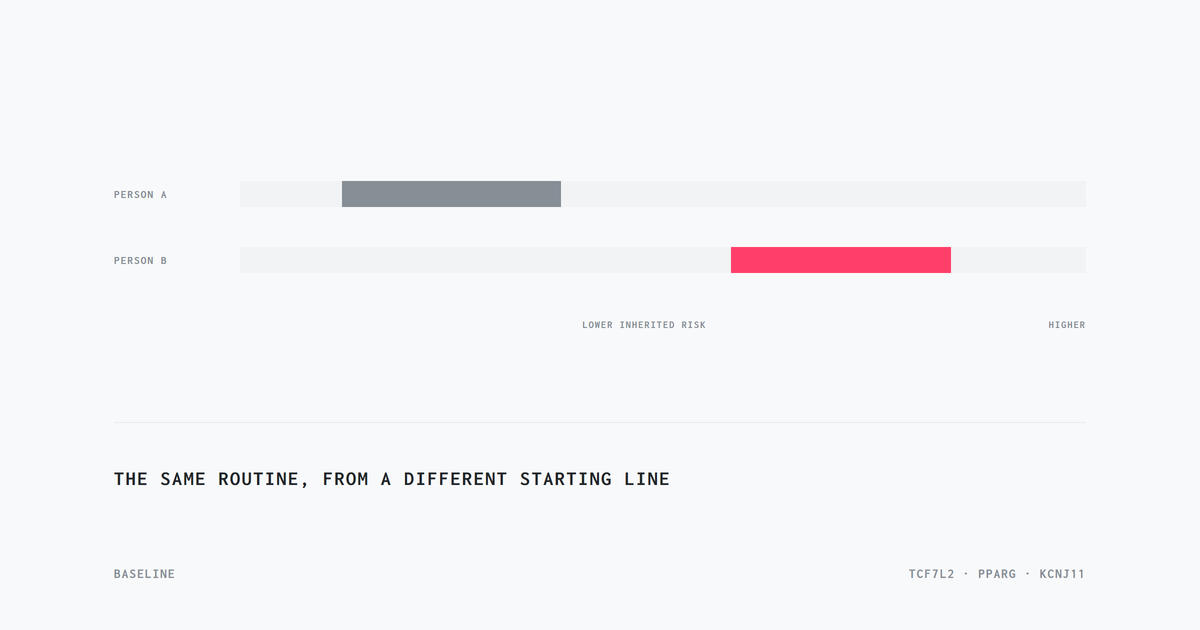 By Srishti Sudan · 2 Dec 2025
Decoding diabetes: how genomics is shaping the future of screening and management
Diabetes has long been read as a lifestyle condition. Beneath diet and habit sits a deeper layer, your genes, and genomic screening can surface that risk years before symptoms do.
2 min read →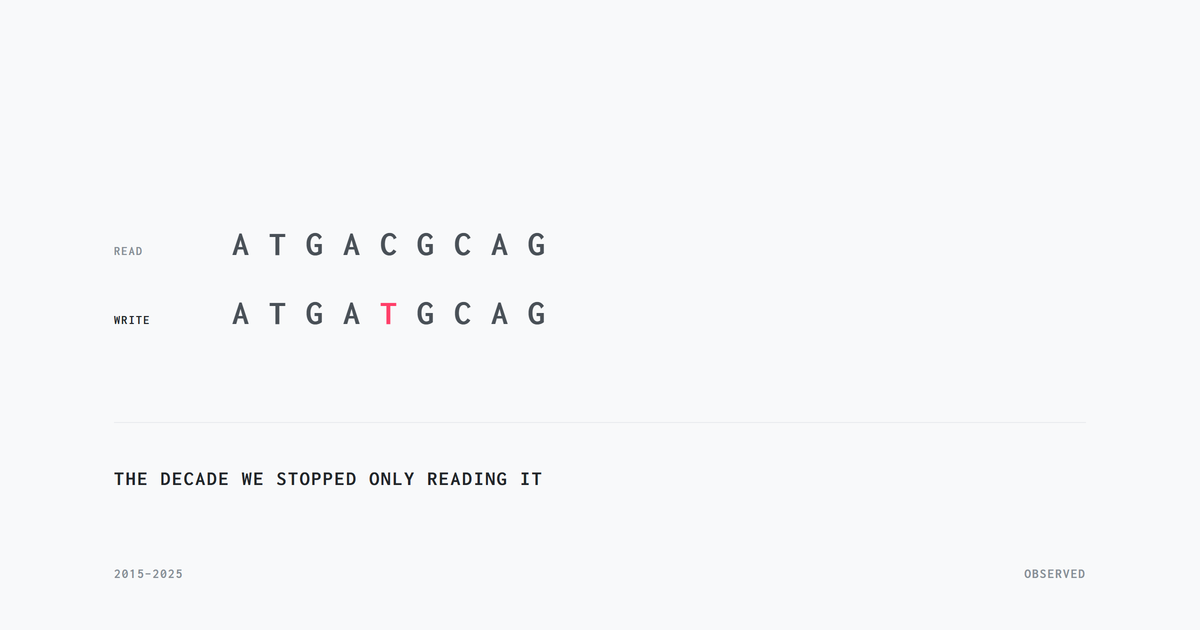 By Srishti Sudan · 27 Oct 2025
The genomic decoding
A decade of progress has moved sequencing from a costly research tool to everyday clinical practice, reshaping oncology, rare disease, agriculture and how we understand life itself.
2 min read →Set up an introduction meeting today.
Tell us about your lab and where you want to take it. We'll bring the right technology and team.
Thank you. We'll be in touch.
Our team typically replies within one working day.