
The molecular map of modern medicine
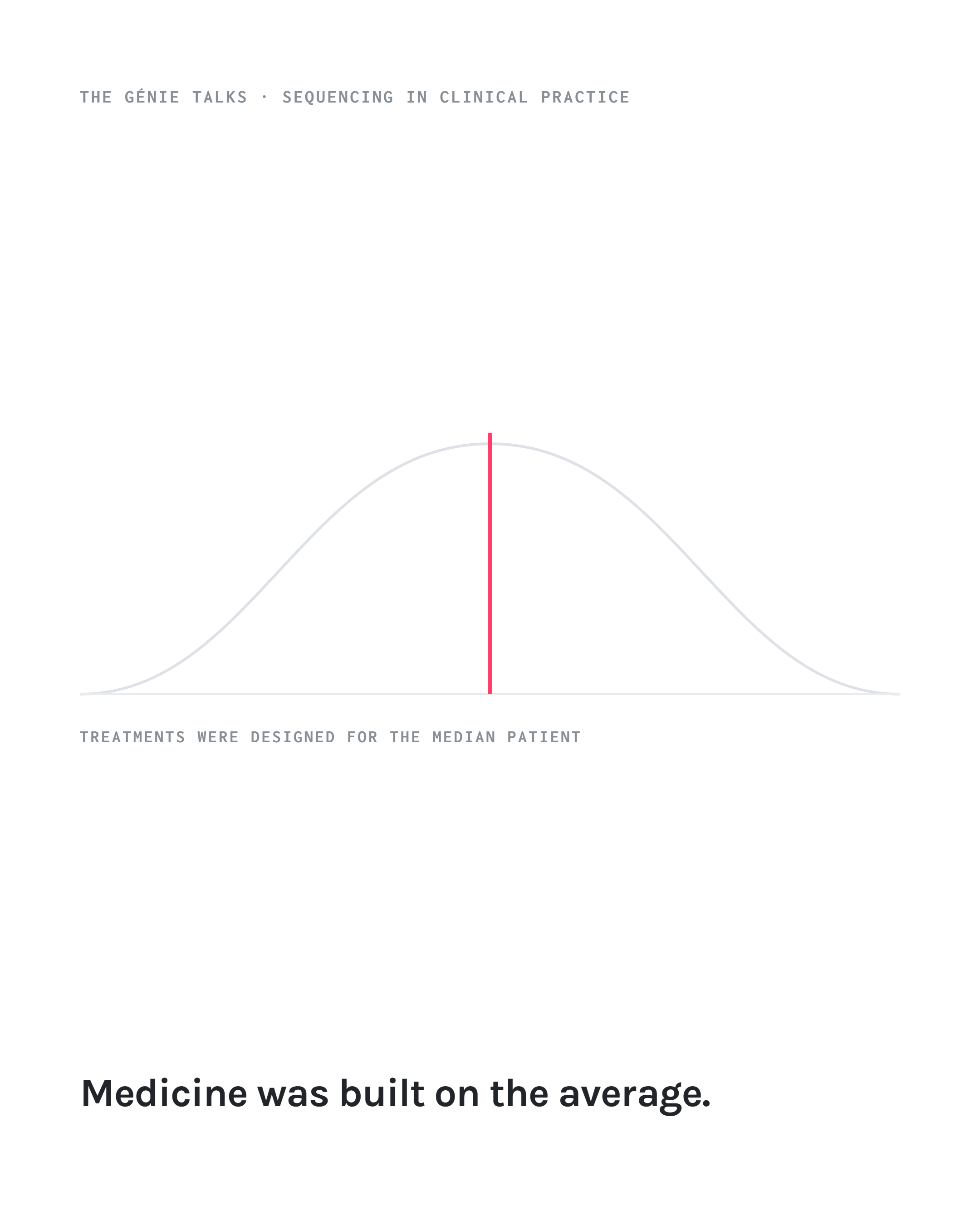
For decades, the medical model was built on the average: treatments were designed for the median patient. Sequencing has effectively dismantled this approach. By mapping the genetic architecture of an individual, clinicians can move from reactive care to a model of proactive foresight.
This transformation is most visible in four key domains: diagnostics, pharmacology, prevention, and the management of rare diseases.
Precision oncology: from histology to molecular drivers
In cancer care, the primary question has shifted from where is the tumour to what is driving the tumour.
Comprehensive Genomic Profiling (CGP): instead of testing for single genes, clinicians now sequence hundreds of relevant genes simultaneously. This identifies the specific driver mutations, such as EGFR, ALK, or KRAS, allowing for the use of targeted therapies that attack cancer cells while sparing healthy tissue.
The liquid biopsy revolution: for patients where surgical biopsies are risky, liquid biopsies sequence cell-free DNA (cfDNA) from a simple blood draw. This is used for Minimal Residual Disease (MRD) monitoring, detecting a potential relapse months before it would appear on a PET or CT scan.
Pharmacogenomics: ending the trial-and-error cycle
A significant percentage of hospital admissions are due to adverse drug reactions. Pharmacogenomics uses sequencing to determine how a patient's unique genetic makeup will respond to a specific medication.
Metabolism and toxicity: some individuals carry variants that cause them to process drugs too quickly, rendering them ineffective, or too slowly, leading to toxic buildup.
Precision dosing: for critical medications like blood thinners such as Warfarin, or antidepressants, sequencing provides a blueprint for the exact dosage required by the patient's biology, rather than relying on standard weight-based charts.
Reproductive health and the end of the diagnostic odyssey
Sequencing has fundamentally altered the timeline of human health, beginning before birth.
Carrier and prenatal screening: expanded carrier screening allows prospective parents to identify risks for hundreds of recessive conditions simultaneously. Non-Invasive Prenatal Testing (NIPT) has replaced many invasive procedures, using a maternal blood draw to screen for chromosomal abnormalities with high accuracy.
Solving rare disease: for children with undiagnosed conditions, Whole Exome (WES) and Whole Genome Sequencing (WGS) have cut the average time to diagnosis from six years to mere weeks. In neonatal intensive care units, ultra-rapid sequencing can provide life-saving answers in under 48 hours.
While oncology and rare diseases were the early adopters, sequencing is now integrated across diverse clinical verticals.
Challenges and the path forward
The integration of sequencing into global healthcare is not without its hurdles. The industry currently faces a gap between data generation and data interpretation; we can sequence a genome far faster than we can confidently interpret every variant of uncertain significance. Furthermore, issues of data privacy and global equity remain at the forefront of the bioethical debate.
Despite these challenges, the shift is irreversible. The healthcare system is moving away from a world of broad symptoms and toward a world of molecular specifics. By identifying the biological why behind a patient's condition, we can finally provide a truly personalised how for their treatment.